Bio
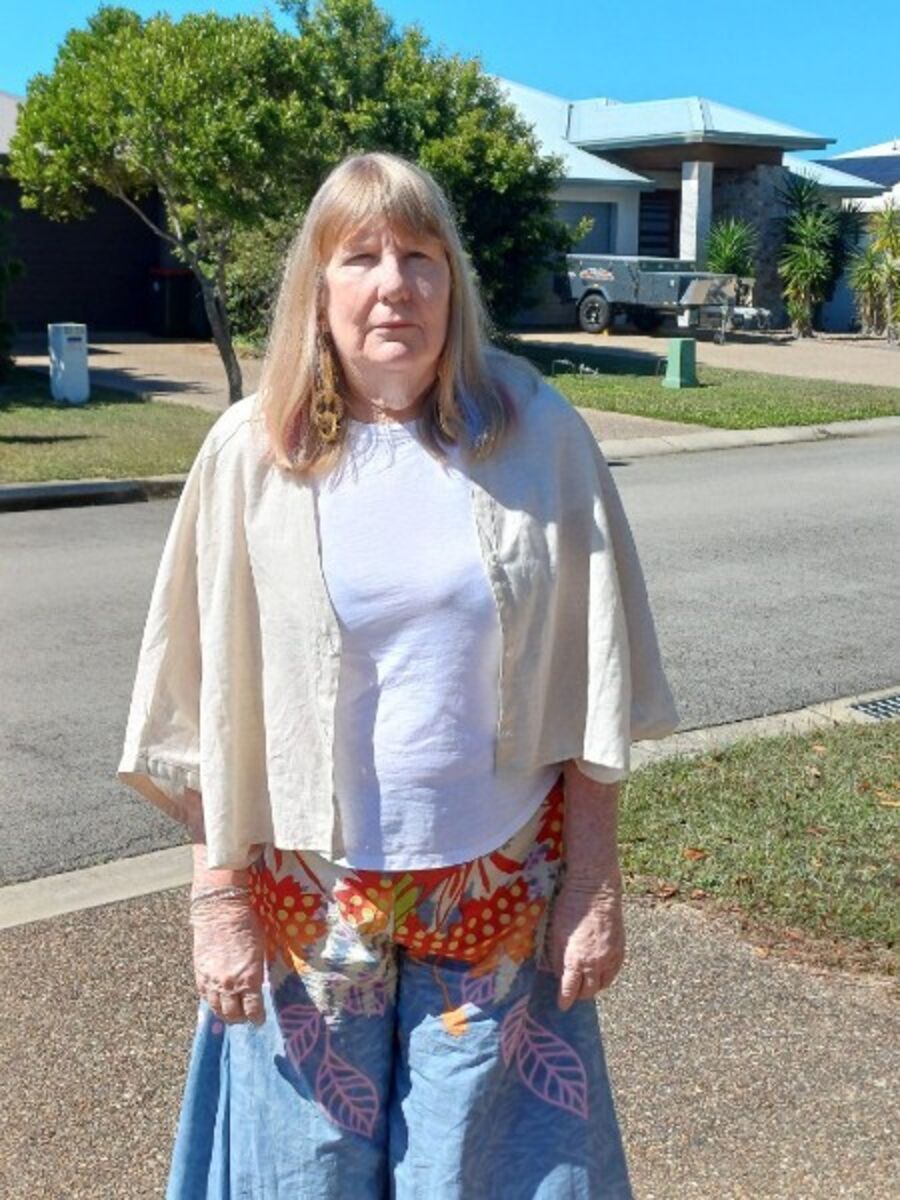
I have always wanted to paint and decided to take some art lessons later in life. My creative expression was discovered when I connected and painted with other artists through the process of paint, colour and techniques. The painting mediums I work with are acrylics, watercolour, ink, screen-print and collage as well as completing a Bachelor of Arts (Fine Art). During my degree I studied the different artist’s style, techniques and discovered how to express my own feelings and emotions with paint and ink. I have a strong connection to nature and I decided to pursue the plight of the Australian dingo and produced a series of Mixed-Media Collages, Screen-print and ink collages and more recently watercolour paintings.
Topic of Investigation
The distribution and population rate of the dingo is declining and affected by interbreeding with domestic dogs. The contradiction of the dingo’s timid characteristics while also known to be defensive of its territory leads to the sense that it is wild and free and wishes to be left alone. The dingoes are endangered by hybridisation culminating to the breakdown of genetic integration to suit different conditions, and extinction of the pure dingo. The disappearance of the native dingo species by hybridisation contributes to the decline, biodiversity and conservation are mandatory to protect the Dingo species. The mixed-media collages presented are The Dingo and Urbanisation, Dingo Pups’ Natural Habitat and Hybridisation, Dingo Pups Biodiversity and Conservation, The Past and Present, The Female Dingo and Urbanisation, The Male Dingo Hunter and Dingoes on the Move.
Artist Statement
This body of work will create public awareness for the conservation and protection of the endangered dingo. The dingo hybrid, which arises through the interbreeding of domestic dogs and dingoes in urban areas, threatens the survival of the dingoes.
My body of work will show the plight of the dingo and raise an awareness of the need to conserve and protect the dingo species. Dingo hybrids are a genetic threat to the endangered dingo. The skull morphology, coat colours and erect ears, characteristic of the dingo are altered as it transforms into a hybrid. As a result, there is a rise in dingo hybrids and a fall in the dingo species. Hybridisation has the potential of eliminating and erasing the real dingo species.
The series will highlight and illustrate the hybridisation of the Australian dingo through screen-printed collages. The screen print collages raise an awareness through a comparison of the dingo and dingo hybrid. Text, landscape colour and natural grasses are utilised to attribute losses associated with the demise of the dingo.
Artworks
Townsville and K’gari Dingo Portrait, and Baby Dingo With Wattle and Bottle Brush Flowers on Cotton Rag 310gsm paper Size A4 from Original Watercolour Paintings. Printed by Phil Copp.
K’gari Dingo Landscape Print on Papier DCP Coated 250gsm Size A3 from Original Watercolour Painting. Printed by Pacific Plan Printing.
Baby Dingo with Wattle and Bottle Brush Flowers Print on Papier DCP Coated 250gsm Size A3 from Original Watercolour Painting. Printed by Pacific Plan Printing.
Photo contributors.
Townsville Dingo Photo Contributor Biff Logan. K'gari Dingo Photo from Shutterstock, Photo Contributor Pawel Papis. Baby Dingo With Wattle and. Botte Brush Flowers, I purchased the Dingo Photograph from Shutterstock. K’gari Dingo Landscape I purchased the Dingo Photograph from Shutterstock. Photo Contributor James Brownlie.
Artist Statement
The Australian Iconic native dingo (Canis dingo) is a huge fan and loved by the majority of people. The dingo pieces capture the uniqueness, aimable, untamed characteristics of the dingo. Dingoes are the only top order predator and are a real survivor in Australia’s rugged land. They play an important part and are vital to maintain a healthy ecosystem. The shooting of dingoes affects the biodiversity and ecosystem. The wild K’gari canine possess features which are distinctive and lean and roam the beaches and sand dunes on K’gari Island. The dingoes on K’gari Island have a reputation for dingo attacks. This is mostly due to humans getting too close to them in their quest to get photos or selfies with the wild dingoes. Tourists feed them encouraging the wild dingo to make an association with food whilst accustoming them to human contact. Scientists and traditional owners speak about the lack of knowledge of the dingo, its wild characteristics which can be potentially dangerous and how to correctly conduct oneself around dingoes.
References:
Australia Needs our Dingo | Help Us Save The Dingo | Australia's Only Top Order Predator. https://www.youtube.com/watch?v=JbK2KjDt5w8
Dingo Discovery Sanctuary and Research Centre. © 2024 The Dingo. Australian Dingo Foundation. https://dingofoundation.org/
The Guardian. Explainer More and More Tourists are being Attacked by Dingoes on Queensland’s K’gari. Can It Be Stopped? https://www.theguardian.com/australia-news/2025/feb/02/more-and-more-tourists-are-being-attacked-by-dingoes-on-queenslands-kgari-can-it-be-stopped
VET Practice. Why You Should Love Dingoes. March 17, 2025. https://www.vetpracticemag.com.au/why-you-should-love-dingoes/?fbclid=IwY2xjawJJklNleHRuA2FlbQIxMQABHe_j_6qKhQydyx9kRa9GDi9fXen1HptmF2oo2hxYn5GNaAP-cqx9i7h4aA_aem_ckhpijGE4UDKicrHxsFEGg#Dingoes